How to Declutter Your Home Without Losing a Weekend
Clutter has a way of building up quietly. A few magazines here, a drawer of old cables there, and one day you cannot find the scissors in your own house. Many people put off a big clear-out because they imagine it will eat an entire weekend. It does not have to. With a simple plan, you can declutter your home in short sessions and still enjoy your free time.
Start with a clear reason
Before you touch a single item, ask why you want less stuff. Maybe you want a calmer space to work, easier cleaning, or room for a hobby. A clear reason keeps you going when you meet the third box of old cards and feel tempted to quit.
Work in small, defined areas
The biggest trap is trying to tackle a whole room. Instead, choose one small zone: a single drawer, one shelf, the top of the fridge. Set a timer for twenty minutes and stop when it rings. Finishing a tiny area gives you a quick win, and quick wins build momentum.
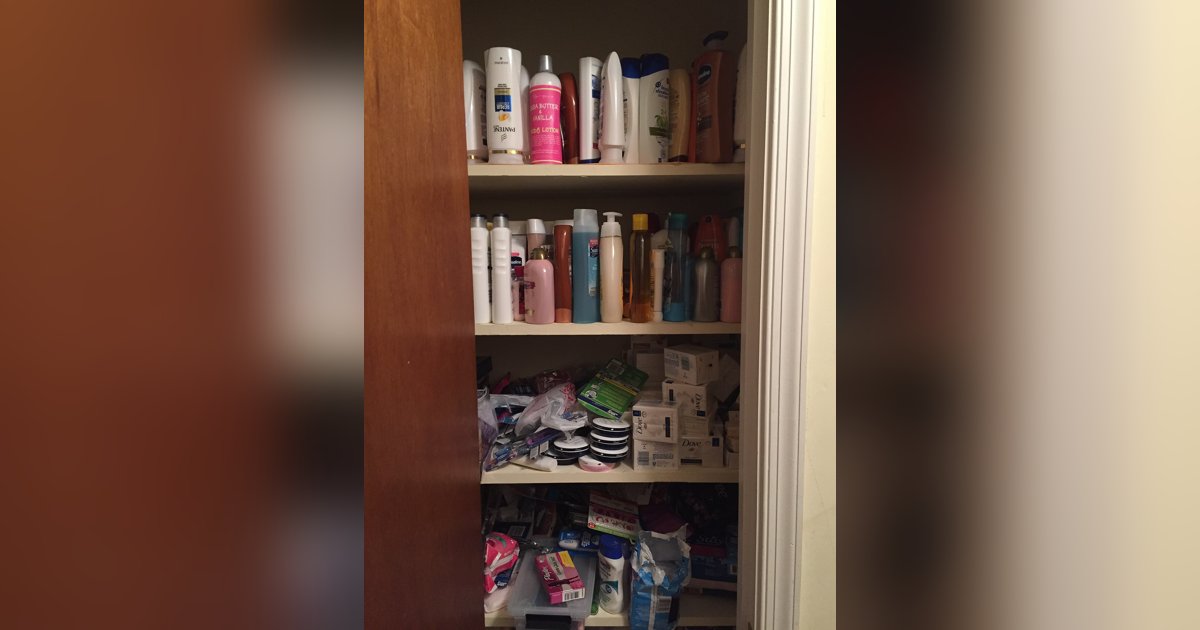
A sensible order is to begin with the easy categories where emotion is low, such as expired products in the bathroom, old receipts and chargers that fit nothing you own. Leave photographs and sentimental items for last, when you have practice making decisions.
Use three boxes and one bin
Bring four containers to each session and label them:
- Keep: things you use and like, which go back to their place.
- Donate or sell: items in good condition that no longer suit you.
- Relocate: things that belong in another room.
- Bin or recycle: broken, expired or worn out.
Having a clear destination stops you from shuffling objects from one pile to another, which is how many clear-outs stall.
Ask a few honest questions
When you hold an item and cannot decide, these questions help.
- Have I used this in the last year?
- Would I buy it again today?
- Do I have another one that does the same job?
- Does it fit my life as it is now, not as I once imagined it?
If the answers are no, thank the object for its service and let it go. Guilt about money already spent is common, but keeping an unused item does not bring the money back. It only costs you space.
Handle sentimental things gently
Not everything has to go. For items that carry memories, choose a limited space, such as one box per person or one shelf, and keep the best pieces within that limit. Photograph things you cannot keep, like children’s artwork, then recycle the originals if you are ready. The memory belongs to you, not to the object.
Give everything a home
Clutter comes back when items have no place to live. As you tidy, decide where each category belongs and keep like things together. Keys in a bowl by the door, post in a single tray, tools in one box. A good rule is that a thing should take no more than a few seconds to put away. If storing something is awkward, you will leave it out.
Keep a one-in, one-out rule
After the clear-out, protect your progress. When you bring in a new pair of shoes or a new book, let one go. This is simple to follow and prevents slow creep. Before buying anything non-essential, wait a day or two. Many impulse purchases lose their appeal overnight.
Do a ten-minute reset each day
A tidy house is mostly about small daily habits. Spend ten minutes in the evening returning items to their places, clearing surfaces and starting the next day with a clean kitchen counter. This is far easier than a large rescue operation every few months.
Do not aim for a showroom
A lived-in home will always have some mess, and that is fine. The aim is not perfection but ease: finding what you need, cleaning quickly and feeling comfortable when you walk through the door. If you can reach that point by working a little at a time, you will have done enough.
A sample plan for two weeks
If you like a structure, try this.
- Days one to three: bathroom cabinet, kitchen drawers, coat cupboard.
- Days four to seven: wardrobe, shoes, bags.
- Days eight to ten: bookshelf, desk, paperwork.
- Days eleven to fourteen: storage areas, garage or loft, and a final donation drop-off.
Each session is short, and by the end of the fortnight the whole house feels lighter.