How to Care for Your Clothes So They Last Longer
Most of us blame the shop when a favourite top fades or a sweater loses its shape, but a lot of wear comes from how we treat clothes at home. A few easy habits can add months or even years to the life of your wardrobe. That saves money, reduces waste and keeps you looking put together. Here is a practical guide to clothing care that anyone can follow.
Read the care label
It sounds obvious, yet many people ignore it. The small label inside a garment tells you the recommended wash temperature, whether it can be tumble dried and how to iron it. Symbols can be confusing, so look up the ones you do not recognise. Following the label is the simplest way to avoid shrinking, stretching and colour damage.
Wash less often
Frequent washing wears out fabric and fades colour. Jeans, sweaters and jackets rarely need washing after every wear. Air them out, spot clean small marks and wash them only when they are really dirty or smelly. T-shirts, underwear and sportswear usually do need regular washing.
Sort your laundry
Separate clothes into loads according to colour and fabric. Wash darks with darks, whites with whites and delicate items on their own. Heavy items like towels and jeans can damage lighter fabrics in the drum. Turning clothes inside out protects the outer surface, printed designs and dark colours.
Choose the right settings
Use cooler temperatures where possible. Thirty degrees Celsius is enough for most everyday laundry, and it saves energy as well. Use a gentler cycle for delicate pieces. Do not overload the machine, because clothes need space to move and rinse properly.
Use detergent sparingly
More detergent does not mean cleaner clothes. Excess soap leaves residue that makes fabric stiff and dull. Follow the dosage on the packaging, adjusting for load size and water hardness. Fabric softener is not essential, and can reduce the absorbency of towels and sportswear.
Dry with care
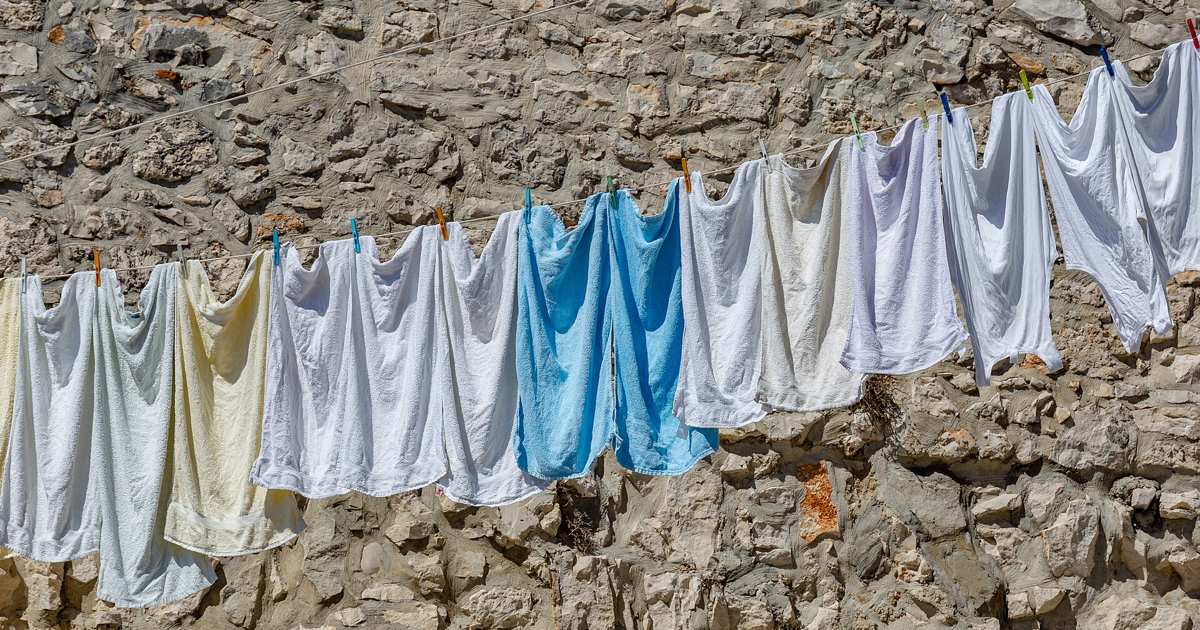
Tumble dryers are convenient but harsh. Heat can shrink cotton, damage elastic and weaken fibres. Whenever possible, air dry clothes on a rack or line, away from direct strong sunlight, which fades colours. Shake items out before hanging to reduce wrinkles. Dry knitwear flat on a towel so it does not stretch, since hanging wet wool pulls it out of shape.
Treat stains quickly
The sooner you deal with a stain, the easier it is to remove. Blot, do not rub, and rinse with cold water for most stains. Apply a little gentle detergent or a stain remover, and wash as usual. Check that the stain has gone before drying, because heat can set it permanently.
Store clothes properly
Good storage prevents creases, stretching and damage.
- Hang jackets, shirts and dresses on shaped hangers.
- Fold knitwear and keep it on a shelf instead of on a hanger.
- Keep clothes in a cool, dry space with some air circulation.
- Use cedar blocks or lavender sachets to deter moths, and check wool items regularly.
- Do not stuff the wardrobe so full that clothes get crushed.
Fix small problems early
A loose button, a small hole or a split seam gets worse if ignored. Learn basic mending: sewing on a button, closing a seam and darning a small hole. These take minutes, and can save a garment. For larger repairs, a local tailor or repair shop can often do wonders for a reasonable price.
Remove bobbles and refresh fabric
Knitwear often develops small balls of fibre. A fabric shaver or a gentle comb removes them and makes the item look newer. A steamer or a hot shower room can relax creases without the harshness of ironing. Use a lint roller or a soft brush on coats and wool.
Shoes and accessories count too
Rotate your shoes so they have time to dry between wears. Use shoe trees or stuffed paper to hold their shape. Clean and polish leather regularly, and waterproof suede or canvas where suitable. Wipe bags and belts, and store them away from direct heat.
Buy with care in mind
When shopping, consider how much effort an item will need. Delicate fabrics and dry-clean-only pieces demand time and money. Look for good stitching, solid seams and quality fabrics that suit your habits.
Small habits, big difference
Good clothing care is not complicated. Wash less often, use gentle settings, air dry, store properly and repair early. Your clothes will look better for longer, you will buy less and your wallet will thank you.