How to Build a Capsule Wardrobe on a Budget
Opening a full wardrobe and feeling you have nothing to wear is a familiar problem. A capsule wardrobe offers a way out. It is a small collection of versatile pieces that work well together, so you can create many outfits from fewer items. Better still, you can build one without spending a lot. This guide shows how to do it step by step.
What a capsule wardrobe is
A capsule wardrobe is not a strict uniform or a fixed number of items. It is a curated set of clothes that suit your life, your body and your taste, with each piece matching several others. Some people keep about thirty pieces per season, while others keep more. The right number is whatever lets you get dressed easily.
Start with what you already own
Before you buy anything, look through your wardrobe. Take everything out, and sort it into groups: wear often, wear sometimes, never wear. Try on questionable pieces. Keep the items that fit well, feel comfortable and suit your lifestyle. Notice patterns in the colours and styles you reach for repeatedly. These are clues to your real taste.
Put items you are unsure about in a box for a few weeks. If you do not miss them, you can donate or sell them.
Think about your life
Your capsule should reflect how you actually spend your days. If you work from home and go out occasionally, you need comfortable everyday clothes, plus one or two smarter outfits. If you work in an office, you will need more tailored pieces. Write a rough list of your weekly activities, then decide what proportion of clothes you need for each.
Choose a colour palette
A limited palette is the secret to mixing and matching. Pick two or three base neutrals, such as black, navy, grey, beige or white, and one or two accent colours that you love. When most pieces share the same palette, almost everything goes together. Choose shades that flatter your skin tone and that you enjoy wearing.
List the core pieces
A basic capsule might include:
- Four to six tops in neutral colours, including plain T-shirts and a couple of shirts or blouses.
- Two or three bottoms, such as well-fitting jeans, tailored trousers and a skirt or shorts.
- One or two sweaters or cardigans.
- A jacket or coat.
- One dress or smart outfit for special occasions.
- Two or three pairs of shoes: comfortable everyday shoes, smarter shoes and weather-suitable footwear.
- A few accessories, such as a scarf, a belt and a simple bag.
Adjust the list for your climate and routine.
Fill gaps wisely
Once you know what is missing, shop with a list. A few practical rules make this affordable.
- Buy one piece at a time and make sure it goes with at least three things you own.
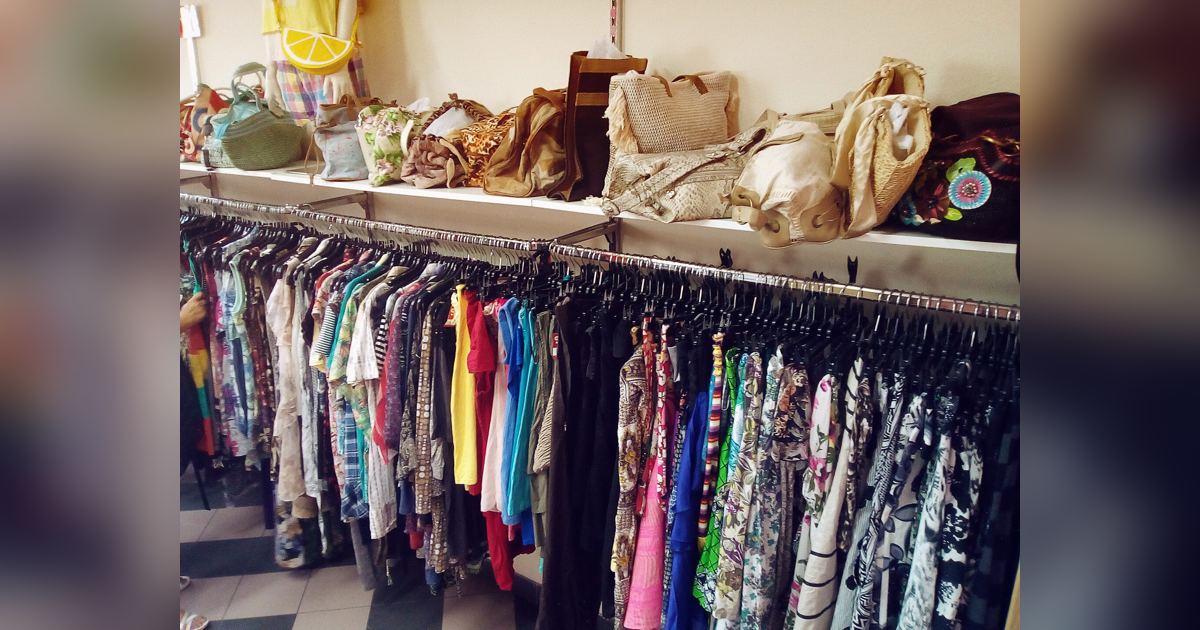
- Look in second-hand shops, charity stores and online resale platforms for quality at lower prices.
- Prefer fit and fabric over fashionable details. A well-cut plain shirt lasts longer than a trend.
- Wait for end-of-season sales for coats and boots.
- Check the care label. Clothes that need dry cleaning every time add hidden costs.
Cost per wear
A useful way to judge a purchase is to divide the price by the number of times you expect to wear the item. A jacket that costs a bit more but gets worn two hundred times is cheaper per wear than a bargain you wear twice. This does not mean spending more is always better, only that you should think about use, not just price.
Make outfits work
Try creating outfit combinations on your bed or take photos of the ones you like. Keep these for easy reference. Add interest with accessories, layers and texture instead of buying more clothes. A scarf, a belt or a different pair of shoes can transform a basic outfit.
Care for your clothes
Well-kept clothes last longer. Wash less often, at lower temperatures, and air-dry when possible. Mend small tears and replace buttons promptly. Store knitwear folded and use proper hangers for jackets. Caring for what you own is the cheapest form of fashion.
Rotate with the seasons
Store out-of-season items so your wardrobe stays small and clear. When the weather changes, swap pieces, and use the moment to review what worked and what did not.
Be patient
You do not need to build the perfect capsule in a weekend. Over a few months, as you replace worn pieces with better-chosen ones, your wardrobe will become more cohesive. The result is less clutter, quicker mornings and a style that feels like yours.