Better Sleep Starts Before Bedtime: Everyday Habits That Help
When you cannot sleep, it is natural to blame the night itself. In reality, much of what shapes your rest happens during the day and in the hours before bed. The body likes rhythm, and small choices about light, food, movement and screens add up. This article offers general, everyday advice for better sleep. It is not medical guidance, so if you struggle with persistent sleep problems, speak to a doctor.
Keep a steady schedule
Going to bed and waking up at roughly the same time every day, including weekends, helps your internal clock settle. Big shifts, such as sleeping in for three hours on Sunday, can leave you feeling jet-lagged on Monday. If you need to change your schedule, shift it gradually by fifteen to thirty minutes at a time.
Get daylight early
Morning light tells your body that the day has begun and helps set the timing of sleepiness at night. Try to spend some time outside within an hour or two of waking, even on a cloudy day. A short walk, breakfast by a window or a few minutes on the balcony all count.
Move your body during the day
Regular physical activity is linked with falling asleep more easily and sleeping more deeply. Walking, cycling, stretching or any exercise you enjoy is useful. Very intense workouts late in the evening may leave some people feeling wired, so notice how your own body responds and adjust the timing.
Watch caffeine and alcohol
Caffeine can stay in your system for many hours. If you are sensitive, avoid coffee, strong tea and energy drinks in the afternoon. Alcohol may make you feel drowsy at first, but it tends to fragment sleep later in the night. Keeping both in check often leads to a more restful night.
Eat sensibly in the evening
A very heavy meal close to bedtime can cause discomfort, and going to bed hungry can also keep you awake. Aim to finish dinner a couple of hours before sleeping. If you want something later, choose a light snack such as a banana or a small piece of toast.
Build a wind-down routine
Your mind needs a transition from busy to calm. Spend thirty to sixty minutes doing something gentle.
- Dim the lights in the house.
- Take a warm shower or bath.
- Read a printed book or listen to quiet music.
- Do light stretches or slow breathing.
- Write tomorrow’s to-do list so it is not circling in your head.
Repeat the same steps each night. Over time, they become a signal that sleep is coming.
Rethink screens
Phones, tablets and laptops give off bright light and invite endless scrolling. Try to put them away at least thirty minutes before bed, and leave your phone outside the bedroom or across the room if you can. If you must use a device, lower the brightness and avoid stimulating content such as work emails or heated arguments on social media.
Make the bedroom comfortable
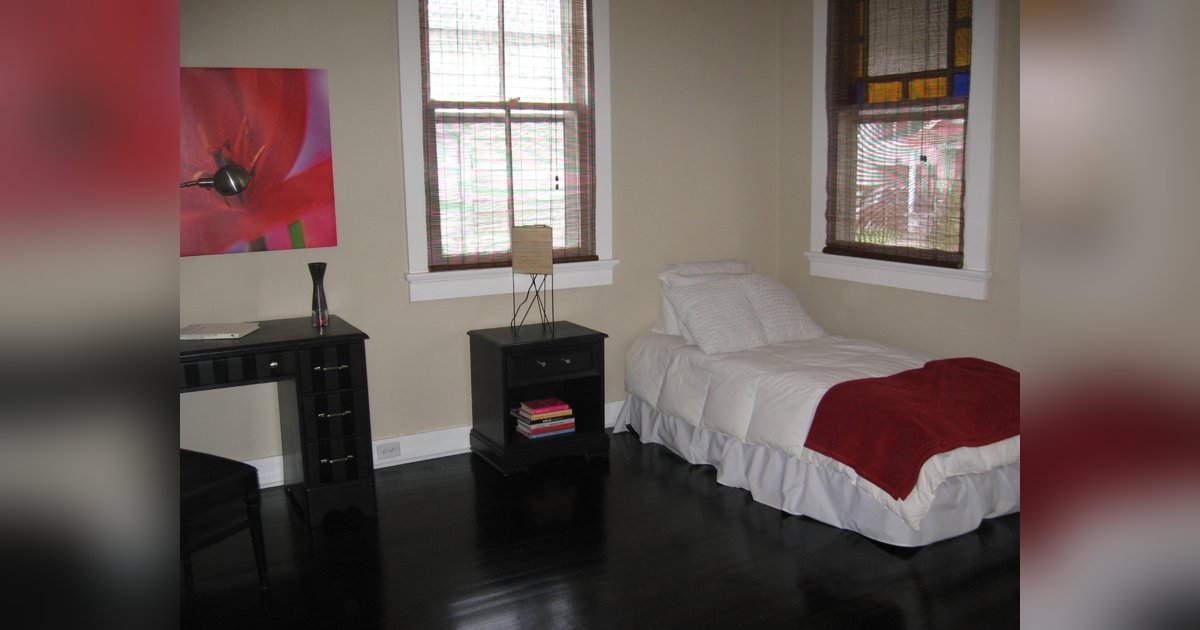
The ideal bedroom is cool, dark and quiet. Heavy curtains or an eye mask block light. Earplugs or a fan can mask noise. A comfortable mattress and pillow matter too, and so does keeping the room tidy and associated with rest. Try not to work or watch television in bed, so your brain links the bed with sleeping.
If you cannot fall asleep
Lying awake and watching the clock tends to make things worse. If you have been awake for what feels like twenty minutes, get up and do something calm in low light, such as reading or listening to quiet audio. Return to bed when you feel sleepy. Avoid checking your phone.
Worry is a common cause. Keep a notebook by the bed, and jot down anything bothering you. Telling yourself you will deal with it tomorrow can ease your mind.
Be patient
A few good nights will not fix everything, and one poor night is not a disaster. Most people sleep badly occasionally, especially during stress or change. Focus on consistent habits over weeks, not perfection tonight. Over time, your body adapts.
When to seek help
If you snore loudly, stop breathing during sleep, feel very tired despite long nights, or have had trouble sleeping for several weeks, see a health professional. These can be signs of conditions that need proper assessment.
For most people, though, better sleep comes from steady routines: regular hours, daylight, movement, a calm evening and a comfortable room. Start with one or two changes and build from there.