How to Drink More Water Through the Day
Water is simple, free and essential, yet many of us go through the day on tea, coffee and the occasional sip from a tap. Feeling tired or having a dull headache late in the afternoon can sometimes be linked to not drinking enough. If you want to drink more water, a few easy habits will do more than strict rules. This article gives general advice, not medical guidance. If you have a health condition or take medication that affects fluids, follow your doctor’s advice.
How much do you need
There is no single number that suits everyone. Needs depend on your size, activity level, climate, diet and health. Many health organisations suggest roughly six to eight glasses of fluid a day for many adults, and that includes water from other drinks and food. A useful sign is the colour of your urine: pale yellow generally suggests good hydration, while dark yellow suggests you may need more. Thirst is also a signal worth listening to.
Start the day with a glass
Keep a glass or bottle by your bed and drink some water when you wake up. You have gone several hours without a drink, and starting with water sets the tone for the day. It also builds a daily cue that is easy to remember.
Keep water within reach
People drink more when water is visible and convenient. Choose a bottle you like, fill it in the morning and keep it on your desk, in your bag or in the car. A transparent bottle with marks showing the time can be motivating. If you have to walk to the kitchen each time, you will drink less.
Link drinking to existing habits
Tie water to things you already do.
- Drink a glass before each meal.
- Have a few sips every time you check your phone.
- Drink after every bathroom visit.
- Pour a glass whenever you make tea or coffee.
- Drink a glass after brushing your teeth.
These cues add up without effort.
Make it taste better
If plain water bores you, make it more appealing.
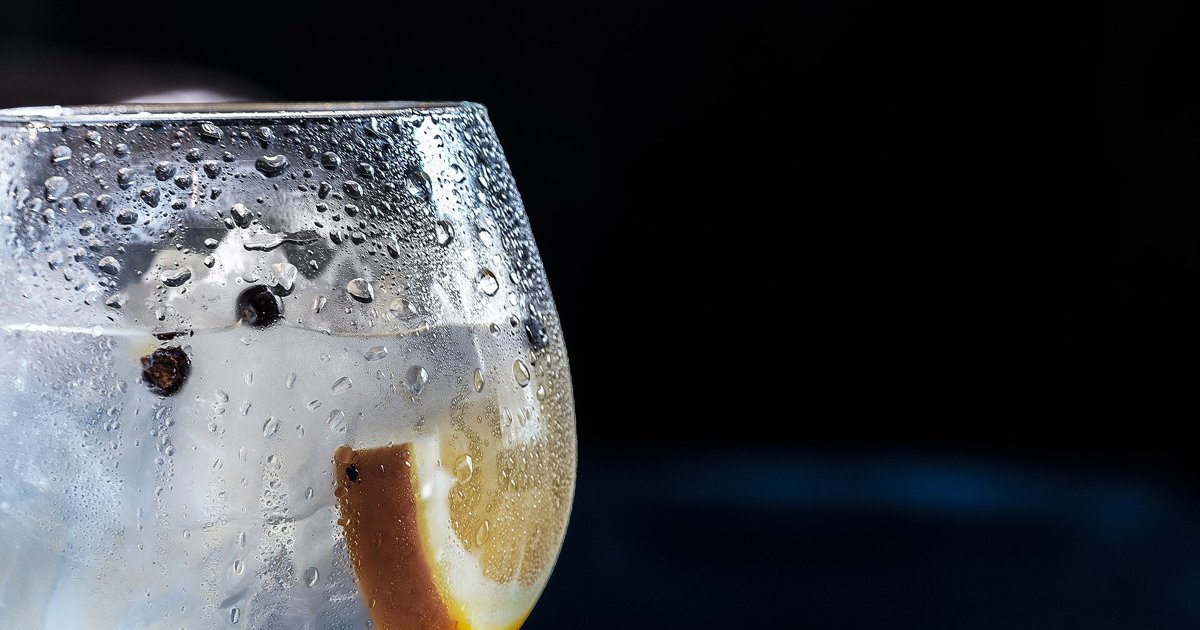
- Add slices of lemon, lime, orange or cucumber.
- Drop in a few mint leaves or crushed berries.
- Try sparkling water, which many people find more interesting.
- Drink it at a temperature you like, whether ice cold or room temperature.
- Infuse water with ginger or herbs in a jug overnight.
Avoid relying on sugary drinks, which can add a lot of calories.
Eat water-rich foods
Many foods contribute to your fluid intake. Watermelon, cucumber, oranges, strawberries, tomatoes, lettuce and soups all contain plenty of water. Adding them to your meals helps, and they bring other nutrients too.
Use reminders sensibly
If you forget, set alarms on your phone or use an app that gives gentle nudges. Some people use a simple method: mark a bottle with times and aim to reach each mark by that hour. Avoid being too rigid, though. The goal is steady drinking, not forcing down large amounts at once.
Adjust for activity and weather
You need more water when it is hot, when you exercise or when you are unwell with a fever or stomach upset. Drink before, during and after exercise. In cold weather you may not feel thirsty, but you still lose fluid, so remember to drink warm drinks too.
Remember other drinks count
Tea, coffee and milk contribute to your fluid intake, though too much caffeine may disturb sleep. Water remains the best everyday choice because it has no calories and no sugar.
Watch for too much
Drinking enormous amounts in a short time is not helpful and can be unsafe. Sip regularly through the day rather than forcing yourself to drink large volumes. If you feel you need to drink constantly or are very thirsty all the time, see a doctor.
Make it a habit with a small challenge
For two weeks, try to drink a glass of water at three fixed points: on waking, with lunch and mid-afternoon. When that feels easy, add another. Track it on a calendar. Habits form faster when they are small and specific.
Notice how you feel
Pay attention to energy, concentration, skin and digestion. Many people feel more alert and less sluggish when they drink enough, though results vary. Staying hydrated is one simple piece of a healthy lifestyle.
Drinking more water does not require a strict plan. With a good bottle, a few cues and some tasty touches, it can become a natural part of your day.