Desk Stretches for Office Workers: A Five-Minute Routine
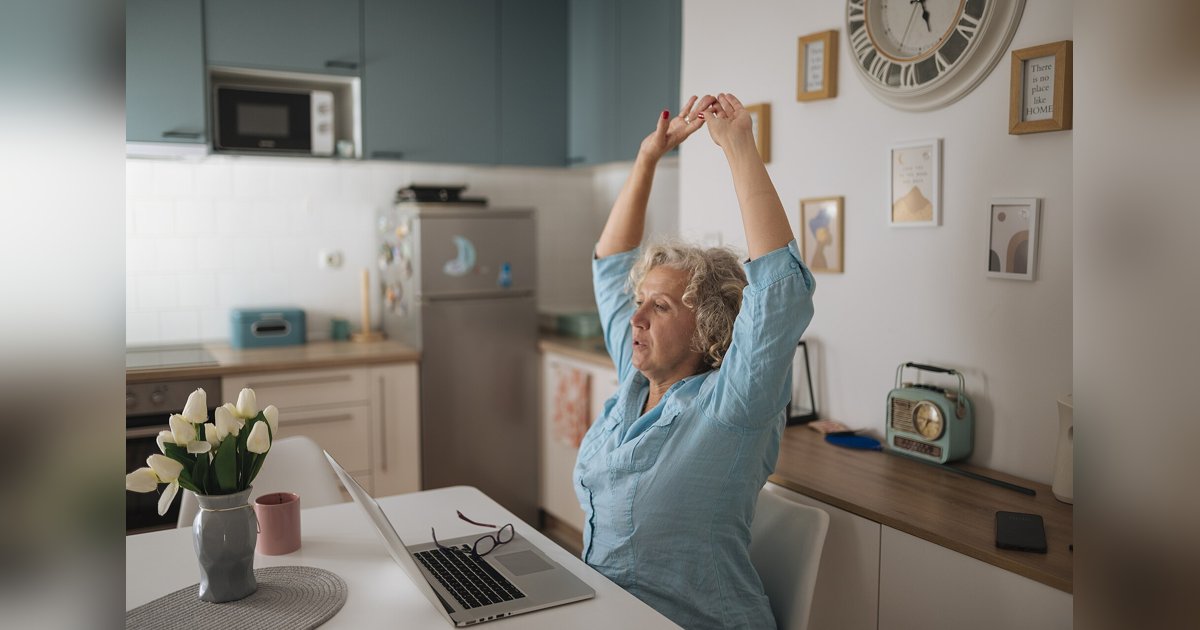
Sitting at a desk for hours can leave you stiff, sore and tired. Neck tension, tight shoulders and an achy lower back are common complaints among people who work at computers. Regular movement helps, and you do not need a gym or a yoga mat to start. These simple desk stretches take about five minutes and can be done in work clothes. This is general wellness information. If you have pain, an injury or a medical condition, check with a doctor or physiotherapist before starting.
Why stretching helps
When you sit still, muscles shorten and joints stiffen. Short breaks to move and stretch encourage blood flow, relieve tension and can improve your focus. Stretching will not undo a poor setup, but together with good posture and regular walking breaks, it can make your working day more comfortable.
Before you start
Move gently and never force a stretch. You should feel mild tension, not sharp pain. Breathe slowly and steadily, and hold each stretch for about fifteen to thirty seconds. Stop if something hurts.
Neck stretches
Sit tall with your shoulders relaxed.
- Side tilt: slowly lower your right ear towards your right shoulder until you feel a gentle stretch along the left side of the neck. Hold, then repeat on the other side.
- Chin tuck: draw your chin straight back as if making a double chin, keeping your eyes level. Hold for a few seconds and release. This counters the forward head posture common at screens.
- Gentle turn: look over your right shoulder as far as is comfortable, hold, then repeat on the left.
Shoulder and upper back stretches
- Shoulder rolls: lift your shoulders towards your ears, roll them back and down in slow circles, ten times. Then reverse the direction.
- Cross-body stretch: bring your right arm across your chest and use your left hand to hold it gently at the elbow. Hold, then switch.
- Shoulder blade squeeze: pull your shoulder blades together and down, as if tucking them into your back pockets. Hold for five seconds and repeat five times.
Chest opener
Sitting at a keyboard rounds the shoulders forward. Clasp your hands behind your back, straighten your arms and lift slightly, opening the chest. Hold for fifteen seconds. If you cannot clasp your hands, hold a towel or just open your arms wide.
Back and spine stretches
- Seated twist: sit tall, place your right hand on the outside of your left knee and gently turn to look over your left shoulder. Keep your hips facing forward. Hold, then switch.
- Seated cat-cow: place your hands on your knees. Arch your back and lift your chest as you breathe in, then round your back and tuck your chin as you breathe out. Repeat eight times.
- Standing forward fold: stand and let your upper body hang forward with soft knees. Let your head and arms relax. Come up slowly.
Hips and legs
Sitting tightens the hips and the back of the legs.
- Seated figure four: cross your right ankle over your left knee and gently lean forward until you feel the stretch in your hip. Hold, then switch.
- Standing quad stretch: hold the back of your chair, bend your right knee and hold your ankle behind you. Keep your knees close together. Switch sides.
- Calf raises: rise onto your toes and slowly lower, ten to fifteen times, to wake up the lower legs.
Wrists and hands
Typing and mouse use can strain the wrists.
- Wrist circles: rotate your wrists slowly in each direction.
- Prayer stretch: press your palms together in front of your chest and lower them gently until you feel a stretch in the forearms.
- Finger spreads: open your hands wide, then make a loose fist. Repeat ten times.
Rest your eyes too
Look away from the screen every twenty minutes and focus on something about twenty feet away for twenty seconds. Blink often. This simple habit eases strain.
Build the habit
Set a reminder on your phone or computer to stand and move every hour. Link stretching to something you already do, such as after a meeting or before lunch. Keep your routine short so it feels easy to keep.
Improve your setup
Stretching works best alongside a good desk setup. Keep your screen at eye level, your feet flat on the floor, your elbows at about ninety degrees and your lower back supported. Take regular walking breaks, even a short stroll around the office.
When to see a professional
If you have persistent or severe pain, numbness, tingling or weakness, talk to a health professional. Stretches are helpful for general stiffness, but they are not a substitute for medical advice.
A few minutes of gentle movement can make a noticeable difference to how you feel at the end of the day. Try the routine for a week and see how your body responds.