What to Wear to a Job Interview: A Practical Guide
First impressions form quickly, and clothes are part of them. That does not mean you need an expensive suit to get a job. It means your outfit should show that you took the interview seriously, that you understand the workplace and that you feel comfortable. Choosing an interview outfit does not need to be stressful if you follow a few straightforward steps.
Find out the dress code
Start by researching the company. Look at its website, social media and any photos of staff. A bank or law firm tends to be more formal than a design studio or a start-up. If you are unsure, you can ask the recruiter what people usually wear. A good rule is to dress one step smarter than the daily dress code. If staff wear jeans and T-shirts, a smart shirt and neat trousers will do.
Think about the role
The job also matters. An applicant for a customer-facing role might choose polished, approachable clothes. Someone applying for a practical or outdoor job may prefer neat, clean, practical clothing. Always ask what impression suits the work, and what you will be comfortable doing in it.
Choose a safe, clean base
When in doubt, simple and well fitting is best. Dark or neutral colours such as navy, grey, black, white and beige look professional. Choose clothes that fit properly, because a neat fit looks better than an expensive label. Avoid:
- Loud prints or logos that distract.
- Very tight, low-cut or revealing items.
- Clothes with stains, holes or missing buttons.
- Heavy perfume or cologne, which can bother others.
Formal option
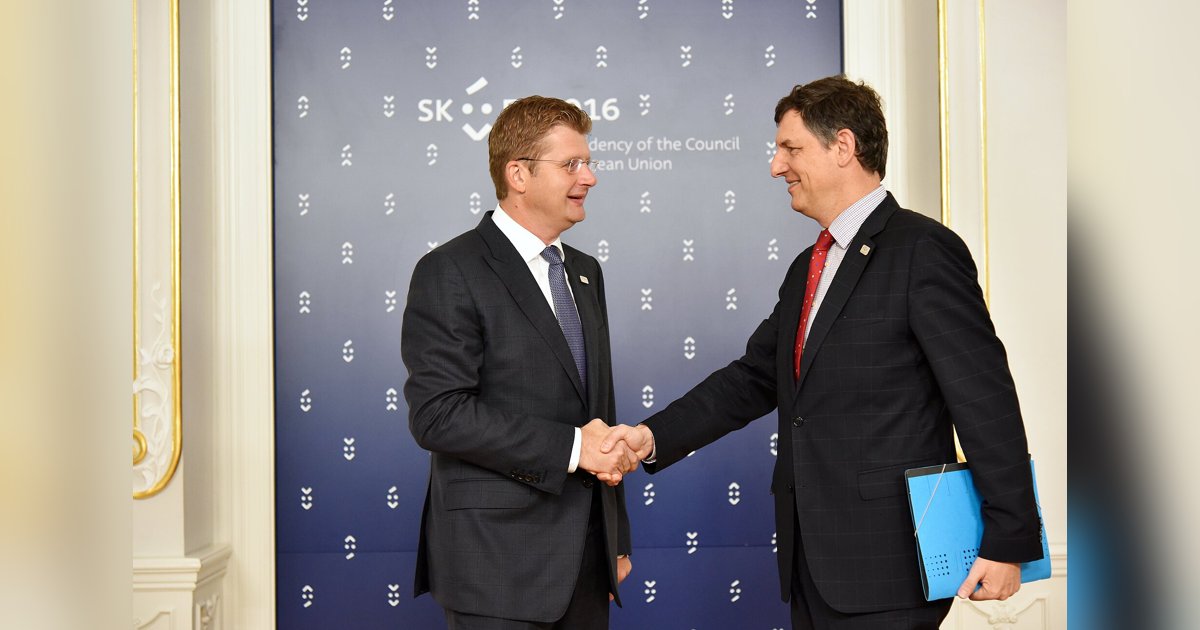
For a formal setting, a jacket and matching trousers or skirt work well, with a plain shirt or blouse. A smart dress with a blazer is also suitable. Pair with closed, polished shoes in dark colours. Keep jewellery and accessories simple, and carry a tidy bag or folder for your documents.
Smart casual option
For a more relaxed workplace, choose a collared shirt or a smart knit top with tailored trousers or dark, plain jeans without rips if jeans are acceptable. Add a light jacket or cardigan. Clean leather shoes or smart trainers may be fine, though plain styles are safest.
Do not forget grooming
Neat hair, trimmed nails and fresh breath matter as much as clothes. Shower, wear deodorant and iron or steam your clothes. If you wear make-up, keep it natural. If you have a beard, keep it tidy. Small details signal care.
Try your outfit in advance
Do not wait until the morning to discover that the trousers are too tight or the shirt wrinkles badly. Try the whole outfit a few days before, sit down in it, walk around and check you can move comfortably. Practice a handshake and a presentation in it. If something is uncomfortable, replace it.
Plan for the weather and travel
If you will walk or take transport, bring a coat or umbrella, and carry a small cloth to wipe your shoes. Consider arriving early and freshening up in a nearby café or bathroom. Wearing a coat over your outfit protects it in rain.
Online interviews
For a video call, dress as you would in person, at least from the waist up and ideally fully, since it helps you feel professional. Plain, solid colours show best on camera. Avoid busy patterns and bright whites. Check lighting and the background, and make sure the camera is at eye level.
Budget tips
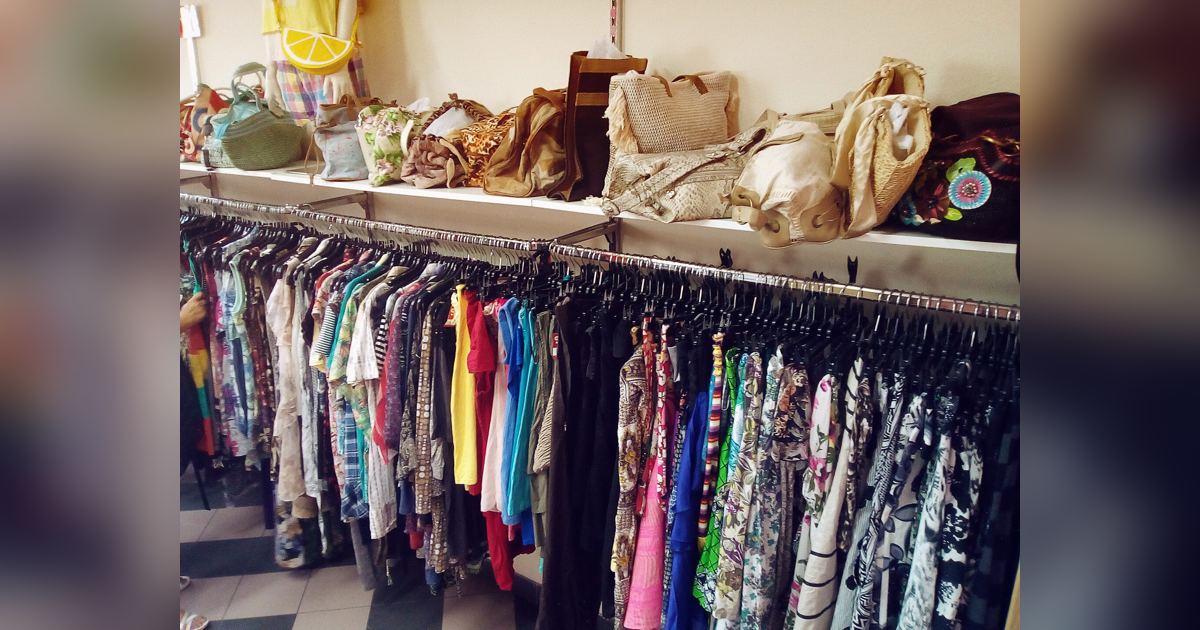
You do not need to buy a whole new wardrobe. Consider borrowing a blazer from a friend, buying one good second-hand piece or shopping at sales. Many charities offer free interview clothing to job seekers. A tailor can adjust a second-hand jacket for a small cost.
Dress for confidence
Choose something you feel good in. Confidence shows in posture, voice and eye contact, and clothes that feel right make it easier. If a particular colour always earns you compliments, wear it.
The night before
Lay out your clothes, polish your shoes, pack your bag with a copy of your resume, a notebook and a pen, and get a good night’s sleep. Being prepared reduces nerves.
Your outfit will not get you the job, but it can help you feel ready and avoid distractions. Research the setting, choose clean, well-fitting clothes and focus on what matters most: showing your skills and being yourself.