Travel Photography Tips for Beginners
Most of us come home from a trip with hundreds of photos, and a handful we truly love. The difference rarely comes down to expensive equipment. It comes from a few simple habits: noticing light, framing carefully and telling a small story with each picture. Whether you use a phone or a camera, these travel photography tips will help you take better photos on your next journey.
Learn to see light
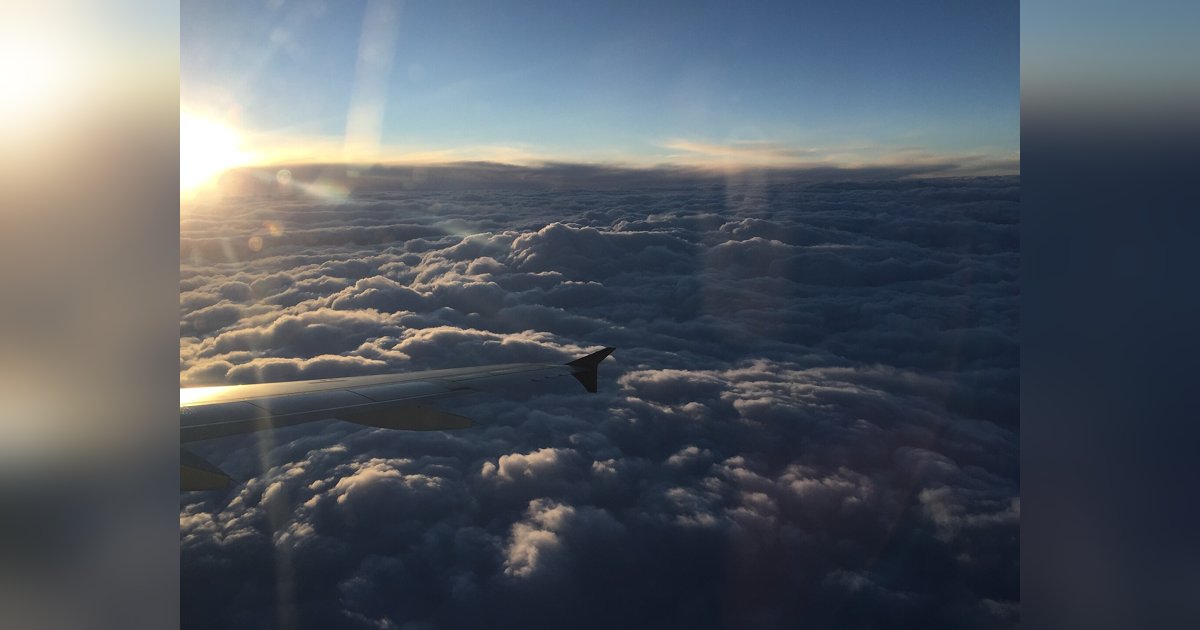
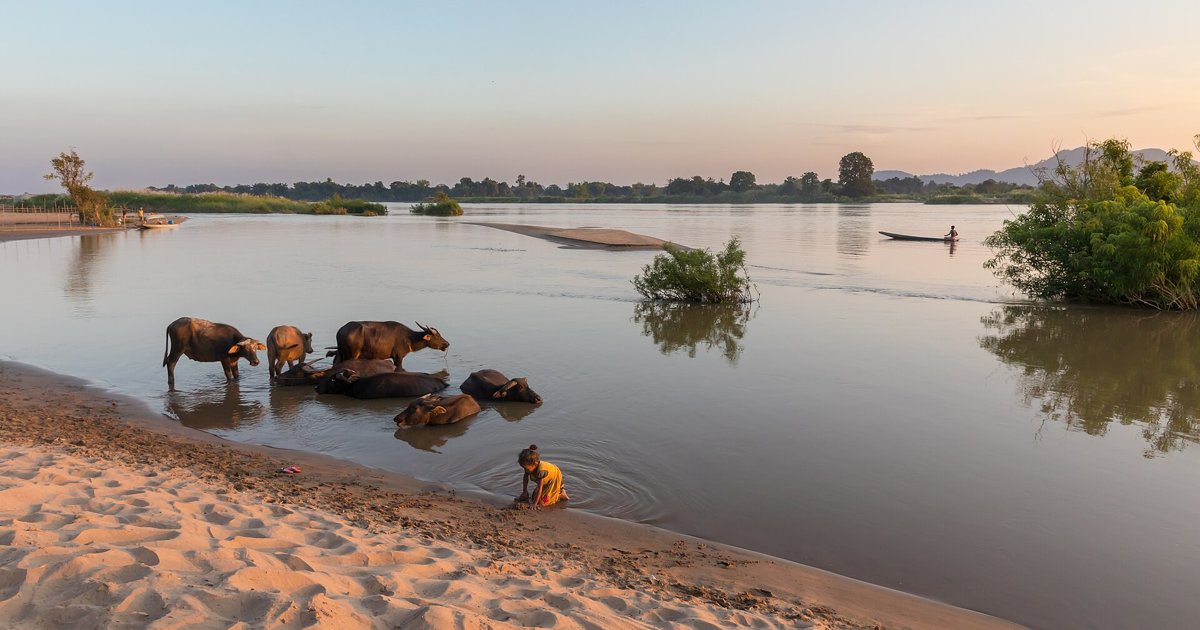
Light matters more than anything. The softest, most flattering light usually appears in the hour after sunrise and the hour before sunset, often called golden hour. Colours glow, shadows are gentle and scenes have depth. Midday sun is harsh and creates strong shadows. If you must shoot at noon, look for open shade, or photograph interiors and details. Cloudy days offer even light that works well for portraits and streets.
Get up early
Sunrise is a great time to visit famous places, since there are fewer people, and the light is beautiful. Even if you are not a morning person, try it once or twice on your trip. You will often get photos that look completely different from the usual crowded views.
Keep composition simple
A few basic guidelines help.
- Rule of thirds: imagine the frame divided into a three by three grid and place key elements along the lines or where they cross, rather than in the centre.
- Leading lines: use roads, rivers, fences or walls that draw the eye into the picture.
- Framing: shoot through an archway, a window or branches to add depth.
- Foreground interest: include something close, such as a flower or a stone, to give a sense of scale.
- Clean background: check what is behind your subject, so that a pole does not appear to grow out of someone’s head.
Rules are guidelines, so break them when it helps the picture.
Change your viewpoint
Many photos look the same because everyone takes them from standing height. Crouch down, climb a few steps or move to the side. Try shooting from low angles for dramatic effect, or from above for patterns. Walk around your subject, and look for reflections and shadows.
Capture details and stories
Do not only photograph famous landmarks. A shot of a market stall, a cup of local coffee, a worn doorway, hands at work or a street sign tells more about a place than a postcard view. Take a mix of wide scenes, medium shots and close-ups, so your set of photos tells a story.
Photograph people with respect
People bring life to travel photos, but ask before taking portraits, especially in small communities. A smile and a gesture are often enough. Respect cultural and religious customs, and never intrude on private moments. If someone says no, accept it politely. Candid street scenes are fine in many places, but be sensitive and aware of local rules.
Use your phone well
Modern phones take excellent pictures. Clean the lens often, since fingerprints make photos hazy. Tap the screen to focus and adjust exposure. Use the grid lines in the camera settings to line up shots. Avoid digital zoom, which reduces quality, and move closer instead. Portrait and night modes are useful, but use them with care.
If you use a camera
Learn the basics of aperture, shutter speed and ISO, but you can start in automatic or aperture priority mode. A fast lens lets in more light, while a zoom lens offers flexibility. Carry spare batteries and memory cards, and keep your gear in a light, comfortable bag. Leave the heaviest equipment at home if it will stop you from exploring.
Be patient
Wait for the right moment. If you see a good scene, spend a few minutes watching the light and the movement. A person might walk into the frame, a cloud may pass, or a tram may arrive. Taking a few extra shots at the same spot often leads to the best one.
Keep the horizon straight
Tilted horizons are a common mistake. Use the grid on your screen or camera and straighten the shot. You can also fix it later when editing.
Edit lightly
Editing can improve photos, but keep it natural. Adjust brightness, contrast and colour a little, and crop to improve composition. Avoid heavy filters that make everything look unreal. Free apps are enough for basic edits.
Back up as you go
Copy your photos to a cloud service or an external drive at the end of each day. Losing a trip’s worth of pictures is heartbreaking and easily avoided.
Enjoy the moment
Do not spend the entire trip behind a lens. Put the camera away sometimes and soak in the place with your own eyes. The best photos usually come when you are relaxed and curious.
With practice, patience and a little attention to light, your travel photos can improve quickly. The most valuable tip is simple: keep looking.