Homemade Bread for Beginners: A Simple First Loaf
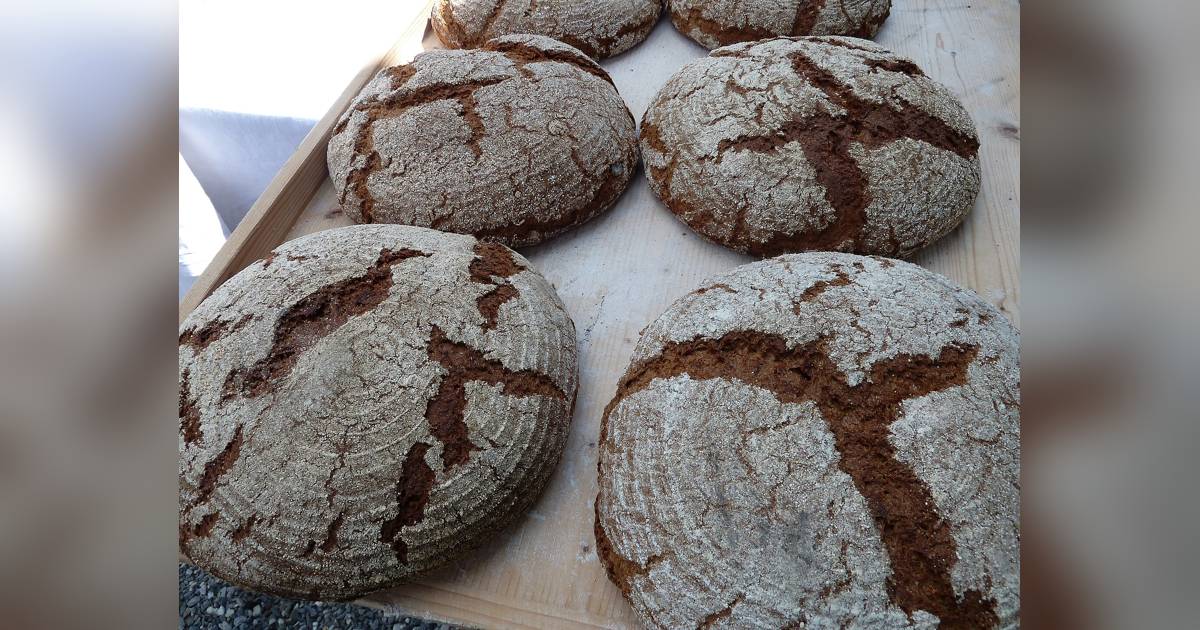
There are few smells as welcoming as bread baking in the oven. Many people believe it is difficult, but a basic loaf needs only four ingredients and a little patience. If you can measure and wait, you can make homemade bread. This guide walks through a simple first loaf, with tips to avoid the usual beginner mistakes.
What you need
For one standard loaf, you will need:
- 500 grams of strong bread flour, which has more protein than plain flour.
- 7 grams of fast-action dried yeast, usually one sachet.
- 10 grams of fine salt.
- About 320 to 350 millilitres of lukewarm water.
You will also need a large bowl, a clean tea towel, a loaf tin or baking tray and an oven. A kitchen scale helps, since weighing is more accurate than cups.
Mix the dough
Put the flour in the bowl, and add the salt on one side and the yeast on the other. Salt can slow yeast if they touch directly. Pour in most of the water and mix with your hand or a wooden spoon until no dry flour remains. The dough should feel soft and slightly sticky. If it seems stiff, add a little more water.
Knead for about ten minutes
Turn the dough onto a lightly floured surface. Push it away with the heel of your hand, fold it back, turn it and repeat. Kneading builds gluten, which gives bread its structure. After about ten minutes, the dough should feel smooth and stretchy. A quick test is to pull a small piece gently. If it stretches thin without tearing, you are done.
If you dislike sticky hands, use a wet, folding method instead of heavy kneading, or use a stand mixer with a dough hook.
First rise
Shape the dough into a ball, place it in a lightly oiled bowl and cover with a damp tea towel. Leave it somewhere warm and draught-free for about one to two hours, until it has doubled in size. The time depends on room temperature. A cooler room means a longer rise, which also gives better flavour.
Shape the loaf
Gently press the air out of the dough. For a tin loaf, flatten the dough into a rectangle, fold it into thirds like a letter, roll it up and place it seam side down in a greased tin. For a round loaf, pull the edges into the centre and turn it over so the smooth side faces up.
Second rise
Cover and let the shaped loaf rise again for thirty to sixty minutes, until it looks puffy. Press a finger lightly into the dough. If the dent fills back slowly, it is ready. Meanwhile, heat your oven to around 220 degrees Celsius, or 200 for a fan oven.
Bake
Slash the top with a sharp knife, about half a centimetre deep, so the loaf can expand. For a crisp crust, place a tray of hot water on the bottom shelf of the oven to create steam. Bake for thirty to thirty-five minutes. The loaf should be golden brown, and when you tap the bottom it should sound hollow.
Cool before cutting
It is tempting to cut straight away, but bread continues to set as it cools. Let it rest on a wire rack for at least thirty minutes. Cutting too early can make the inside seem gummy.
Common beginner mistakes
- Using water that is too hot, which can kill yeast. It should feel lukewarm, like a baby’s bottle.
- Adding too much flour while kneading, which makes the loaf dense. A soft dough is better.
- Not letting the dough rise enough. Judge by size, not just time.
- Opening the oven door too early, which causes the loaf to sink.
- Skipping salt, which makes bread bland.
Experiment gently
Once you are confident, try swapping a third of the flour for wholemeal, adding seeds, herbs or grated cheese, or making rolls. Keep notes on what you change.
Store your bread
Keep a cooled loaf in a bread bin or a paper bag for a day or two, and slice and freeze the rest. Toast slices straight from the freezer.
Homemade bread rewards patience. Your first loaf might be uneven, but it will almost certainly taste good, and each attempt will be better than the last.