How to Cook Perfect Rice Every Time
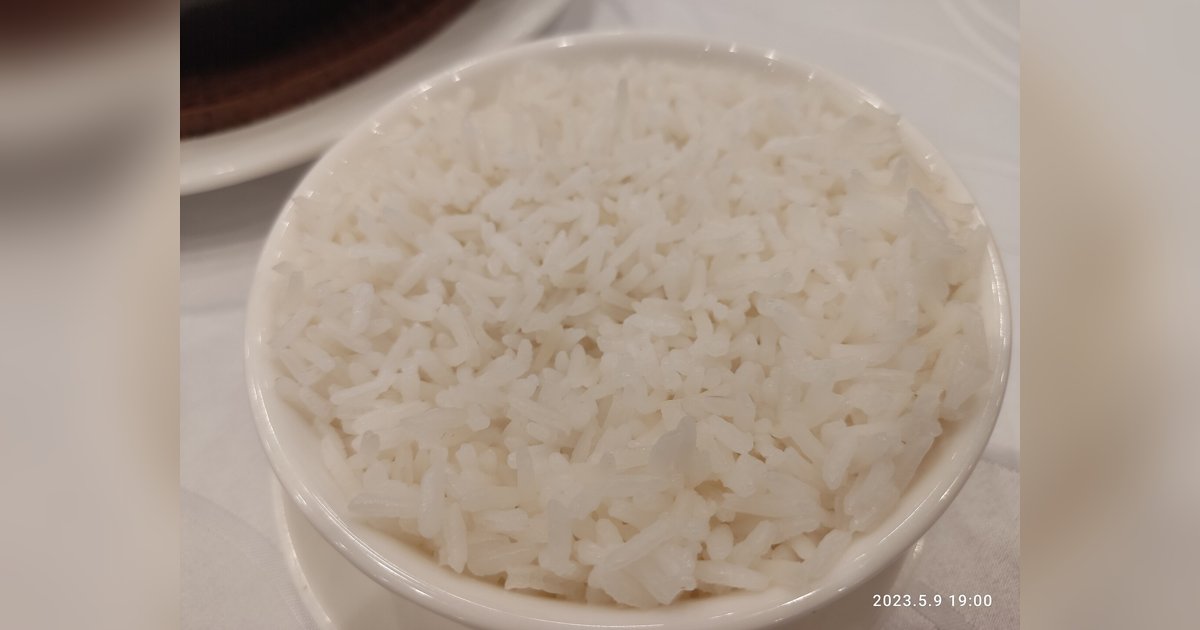
Rice looks like the simplest food in the world, and yet many of us struggle with it. It turns out mushy, burnt at the bottom or hard in the centre. The truth is that perfect rice depends on only a few details: the type of rice, the ratio of water, the heat and the resting time. Once you know them, you can cook fluffy, separate grains without any special equipment.
Pick the right rice for the job
Different rice behaves differently.
- Long-grain rice, such as basmati and jasmine, cooks into light, separate grains. It is ideal for curries, pilaf and side dishes.
- Medium and short-grain rice is stickier and works for risotto, sushi and rice pudding.
- Brown rice keeps its outer bran, so it takes longer to cook and has a chewier texture.
- Parboiled rice is processed before milling, and it stays firm and separate.
Read the packet instructions as a starting point, since brands vary.
Rinse the rice
Rinsing removes surface starch, which is what makes rice clump. Place the rice in a bowl or a fine sieve, cover with cold water, swirl and drain. Repeat until the water runs mostly clear, usually three to five times. For sticky styles such as risotto or sushi, you may want to keep some starch, so follow the recipe.
Soaking basmati for fifteen to thirty minutes can help the grains cook evenly and grow longer, though it is not essential.
Use the right amount of water
A common ratio for long-grain white rice is one part rice to about one and a half to two parts water by volume. Basmati often needs a little less, around one and a half cups of water per cup of rice after rinsing. Brown rice generally needs two to two and a half parts water. Adjust slightly after your first attempt to suit your pot and your taste.
Cook it gently
Here is a simple hob method for long-grain white rice.
- Put the rinsed rice, water and a pinch of salt in a pot with a tight lid.
- Bring it to a boil, uncovered.
- As soon as it boils, stir once, then reduce the heat to its lowest setting.
- Cover with the lid and cook for about ten to twelve minutes. Do not lift the lid.
- Turn off the heat and leave the pot, still covered, for ten minutes.
- Fluff gently with a fork.
The resting step is crucial. It lets the steam finish cooking the rice and the moisture spread evenly.
Choose the right pot
A heavy-bottomed pot with a tight-fitting lid distributes heat evenly and traps steam. A thin pot can burn the bottom. If your lid is loose, place a clean tea towel under it to catch steam, folding the edges away from the flame.
Fix common problems
If your rice is mushy, you likely used too much water or too much stirring. Next time, reduce the water slightly and avoid stirring after the boil. If it is hard or crunchy, add a splash of hot water, cover and steam for a few more minutes. If the bottom burned, the heat was too high. Use the lowest flame and a heavier pot.
If it is clumpy, rinse the rice more thoroughly and fluff it after resting.
Add flavour
Cooking rice in stock instead of water adds depth. Stir in a bay leaf, a cinnamon stick, whole cumin seeds or a few cardamom pods for fragrance. Sauté chopped onion or garlic in a little oil before adding the rice. Finish with butter, fresh herbs or lemon zest.
Make it in a rice cooker
A rice cooker takes the guesswork out. Rinse the rice, add water to the line indicated, close the lid and press start. The machine turns off or switches to warm when done. Let the rice rest for a few minutes before serving.
Store leftovers safely
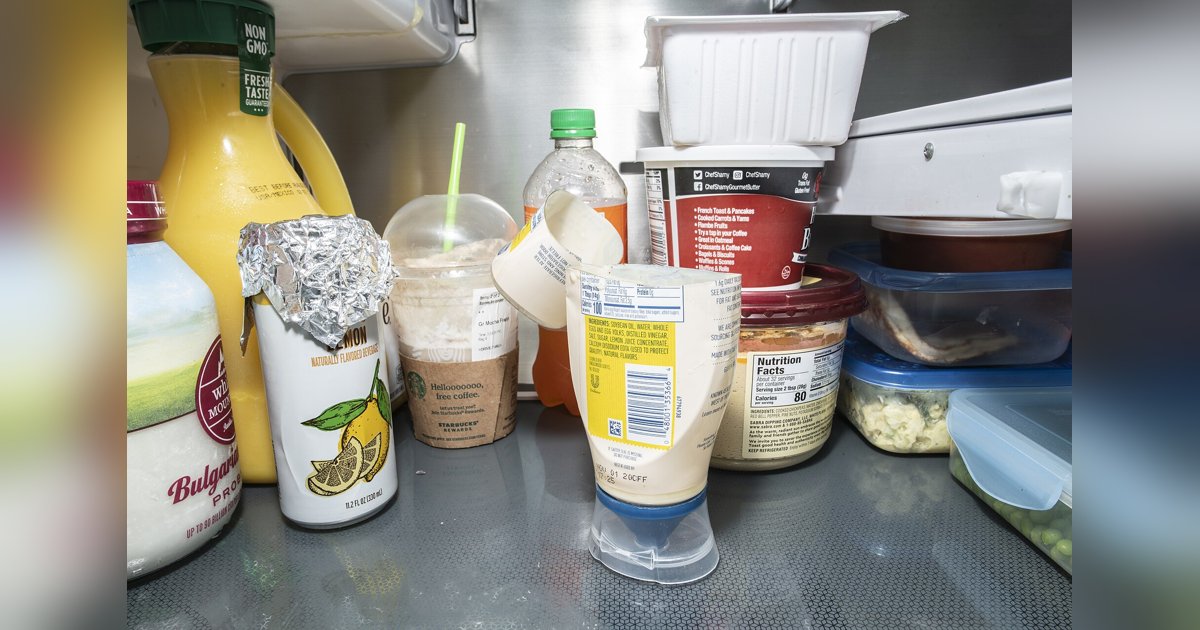
Cooked rice can carry bacteria that survive cooking, so cool it quickly. Spread it on a tray, let it steam away, and refrigerate within an hour or so. Eat within a day, and reheat it until piping hot. Do not reheat rice more than once.
Use leftovers well
Day-old rice makes the best fried rice, because the grains are drier and separate better. It also works in soups, stuffed peppers and rice salads.
Practice makes perfect
Take notes the first few times, writing down the type of rice, the amount of water and the cooking time. After a couple of tries, you will know exactly what works in your own kitchen. Perfect rice is mostly about care and repetition, not talent.