Meal Prep for Beginners: A Simple Weekly Plan
Coming home tired and wondering what to cook is one of the most common daily frustrations. Meal prep is a straightforward answer: you spend a couple of hours once or twice a week preparing food, then enjoy easy meals on busy days. It does not have to mean eating the same dry chicken and rice for seven days. Here is how beginners can start meal prep with a simple, flexible plan.
What meal prep really means
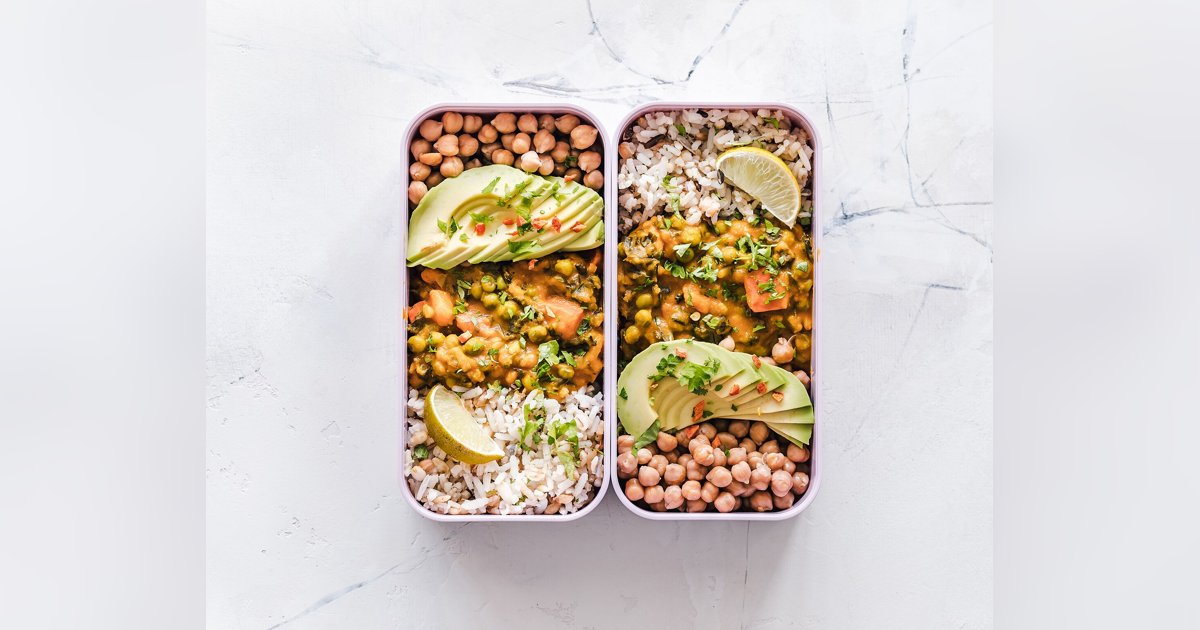
There are different styles. Some people cook entire meals and portion them into containers. Others prepare ingredients, such as washed vegetables, cooked grains and sauces, and assemble meals as they go. The second approach keeps food fresher and offers variety. Choose the version that matches your schedule and taste.
Start small
Do not try to prepare every meal for the week at the start. Begin with lunches for the workweek, or with a few dinners. As you gain confidence, expand. A small, manageable plan is much more likely to become a habit.
Plan before you shop
Spend ten minutes choosing what to make. A good formula is to pick:
- One or two proteins, such as eggs, lentils, chickpeas, tofu, fish or chicken.
- One or two grains or starches, like rice, pasta, potatoes or couscous.
- Three or four vegetables, mixing raw and cooked.
- A couple of sauces or dressings to change the flavour.
Write a shopping list based on your plan and stick to it. This reduces waste and impulse purchases.
A sample prep session
Set aside around two hours on a quiet day, such as Sunday. A simple order of work keeps things efficient.
- Start the grains cooking, since they need little attention.
- Chop vegetables and put a tray in the oven to roast.
- Cook your protein, for example baking chicken thighs or simmering a pot of lentils.
- Make a sauce or dressing while things cook.
- Wash and chop raw vegetables for salads and snacks.
- Cool everything quickly before packing it away.
Cleaning as you go makes the end of the session far less daunting.
Build meals from components
With prepared parts, you can create several different meals. For instance, roasted vegetables, rice and chickpeas can become a grain bowl on Monday, a wrap filling on Tuesday and a quick stir-fry on Wednesday with a different sauce. Changing the seasoning, cheese, herbs or crunchy toppings keeps the week interesting.
Store food safely
Food safety matters. Let cooked food cool for a short while, then refrigerate it within about two hours. Use airtight containers, and label them with the date. Most cooked meals keep well for three to four days in the fridge. Freeze anything you will not eat in that time, such as soups, stews or cooked grains. Reheat food until it is steaming hot all the way through, and avoid reheating the same food repeatedly.
Choose good containers
You do not need an elaborate set, but a few sturdy, leak-proof containers are worth buying. Glass is easy to clean and microwave safe, though heavier. Reusable plastic is lighter. Having a variety of sizes helps for sauces, snacks and main meals.
Avoid common mistakes
Beginners often fall into the same traps.
- Making too much food and getting bored of it. Prepare smaller amounts, and freeze extras.
- Cooking overly complicated recipes. Choose simple dishes you already enjoy.
- Ignoring texture. Pack crunchy toppings and dressings separately so food does not turn soggy.
- Skipping variety. Rotate recipes every week or two.
- Forgetting snacks. Prepare fruit, nuts or sliced vegetables for the gap between meals.
Save money and waste
Planning means you buy only what you need, and cooking in bulk is usually cheaper per portion. Use leftover vegetables in soups, omelettes or fried rice. Buy seasonal produce and basics like beans, oats and frozen vegetables, which are affordable and useful.
Keep it enjoyable
Put on music or a podcast, and invite a friend or family member to share the work. Try a new recipe each week to stay curious. If you dislike weekly sessions, split the cooking into two shorter ones.
When life gets in the way
Some weeks will not go to plan, and that is fine. Keep a few emergency meals in the freezer, such as soup or pasta sauce, so you are never stuck. Prepared food is a tool, not an obligation.
Meal prep is simply a way to give your future self a break. Start with a few easy dishes, learn what works for you and adjust as you go. Within a few weeks, you may find that the evening question of what is for dinner has an answer already waiting in the fridge.